
The Bureaucratic Labyrinth
The CastleFiles, departments, and records form a closed system that creates and swallows all cases.
increasing Bearing strength in each event
 decreasing
Bearing strength in each eventdecreasingTwo Departments and One Lost File
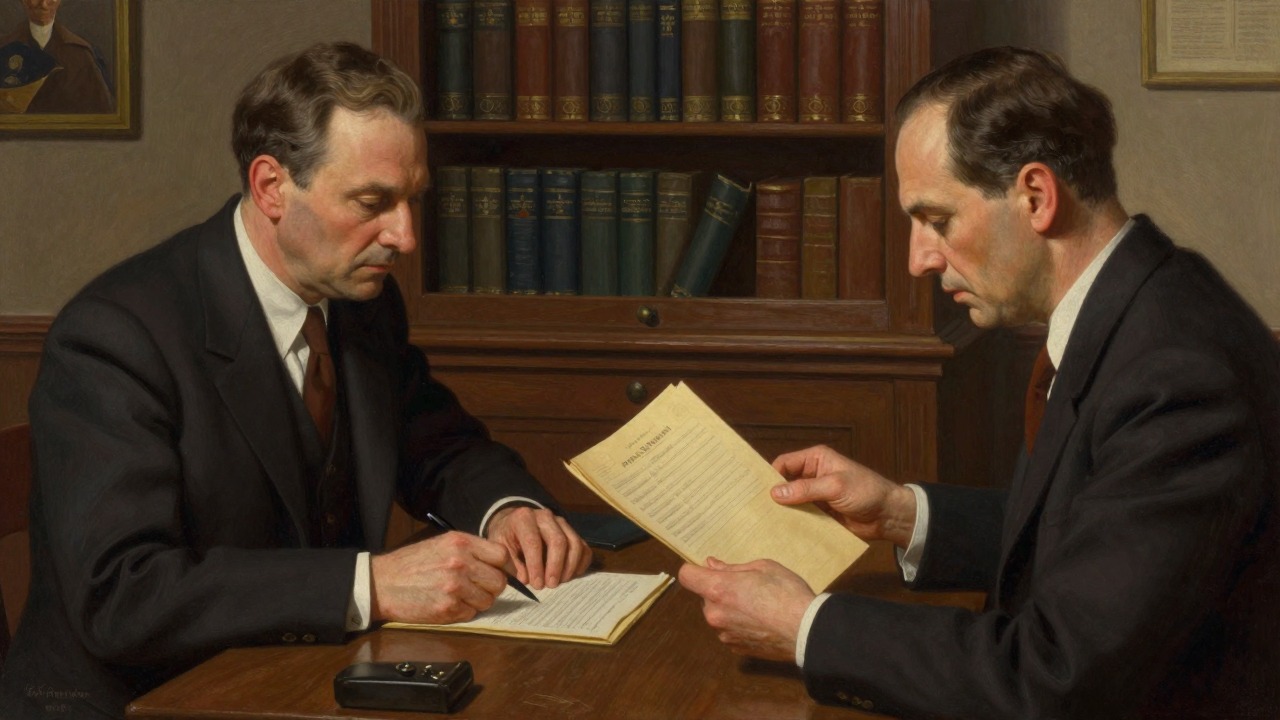
Two Departments and One Lost File
The mayor tells K. how two departments misplaced his appointment file. A reply went to the wrong office, and the case lingered for years.
What happens
Sordini became obsessed with the empty cover of the file. The supervisory authorities found the mistake only after long delay.
Why it matters
The story illustrates the novel's second theme: bureaucracy makes reality arbitrary. K.'s existence is the product of a file error.
The Cupboard That Bursts
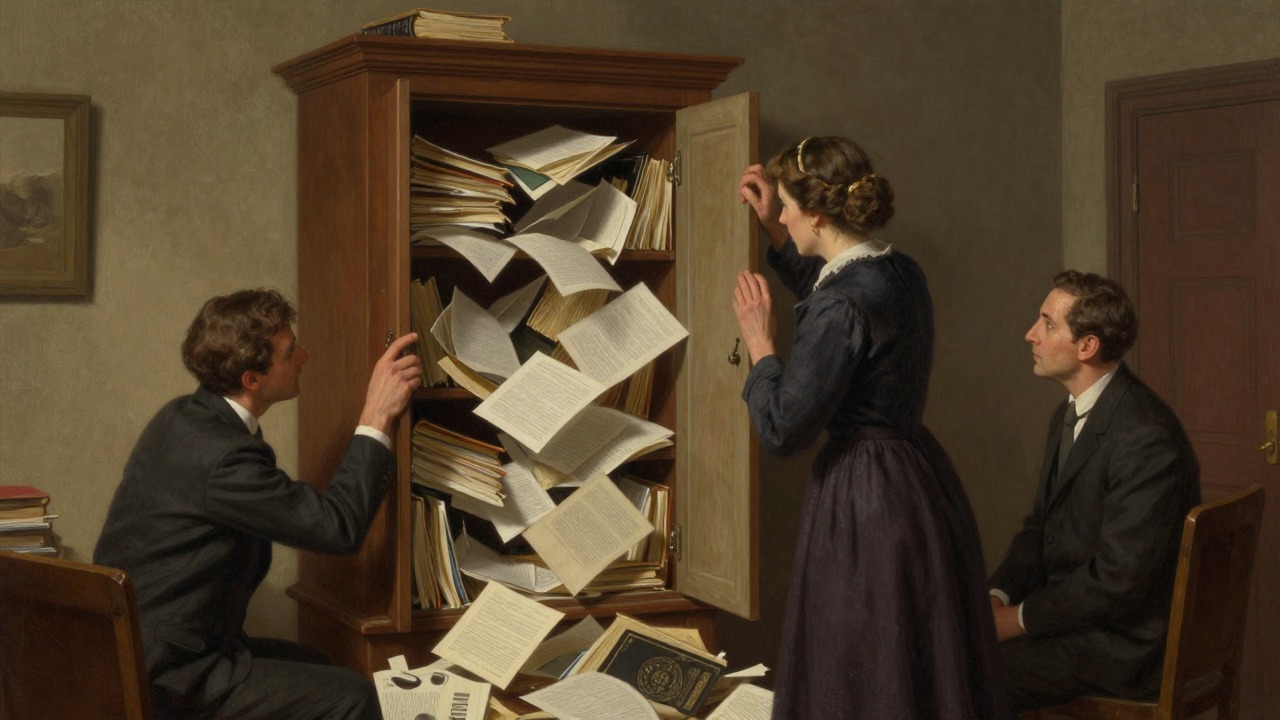
The Cupboard That Bursts
The mayor's wife opens a cupboard and a mass of files falls out. The room fills with paper.
What happens
The assistants sit on the cupboard doors to close them. The desired file is never found.
Why it matters
The overflowing files are a physical image of the labyrinth. Human life is buried under paper that no one can master.
Decisions Elusive as Young Girls
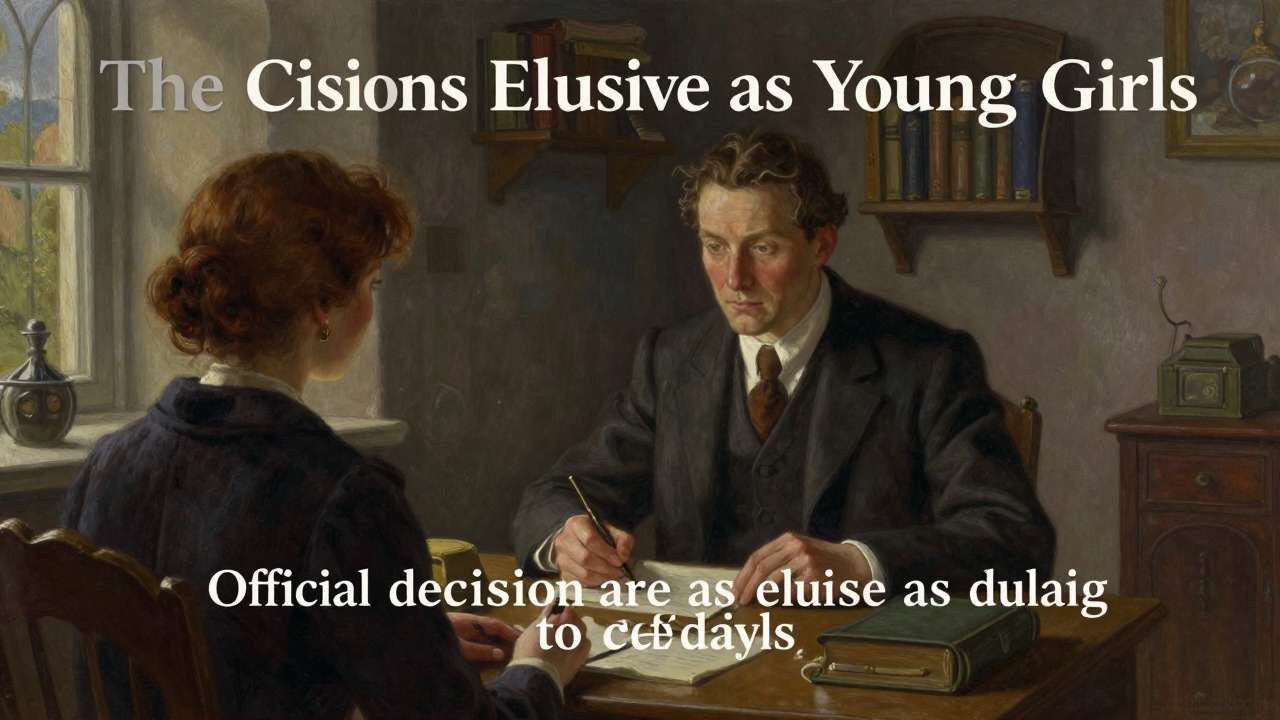
Decisions Elusive as Young Girls
Olga repeats a village saying: official decisions are as elusive as young girls. The simile links bureaucracy to desire.
What happens
She uses the saying to describe Barnabas's hope for an official suit. The castle never explains its delays.
Why it matters
The proverb deepens the theme of bureaucratic mystery. It also connects official power with erotic unreachability.
Morning File Distribution
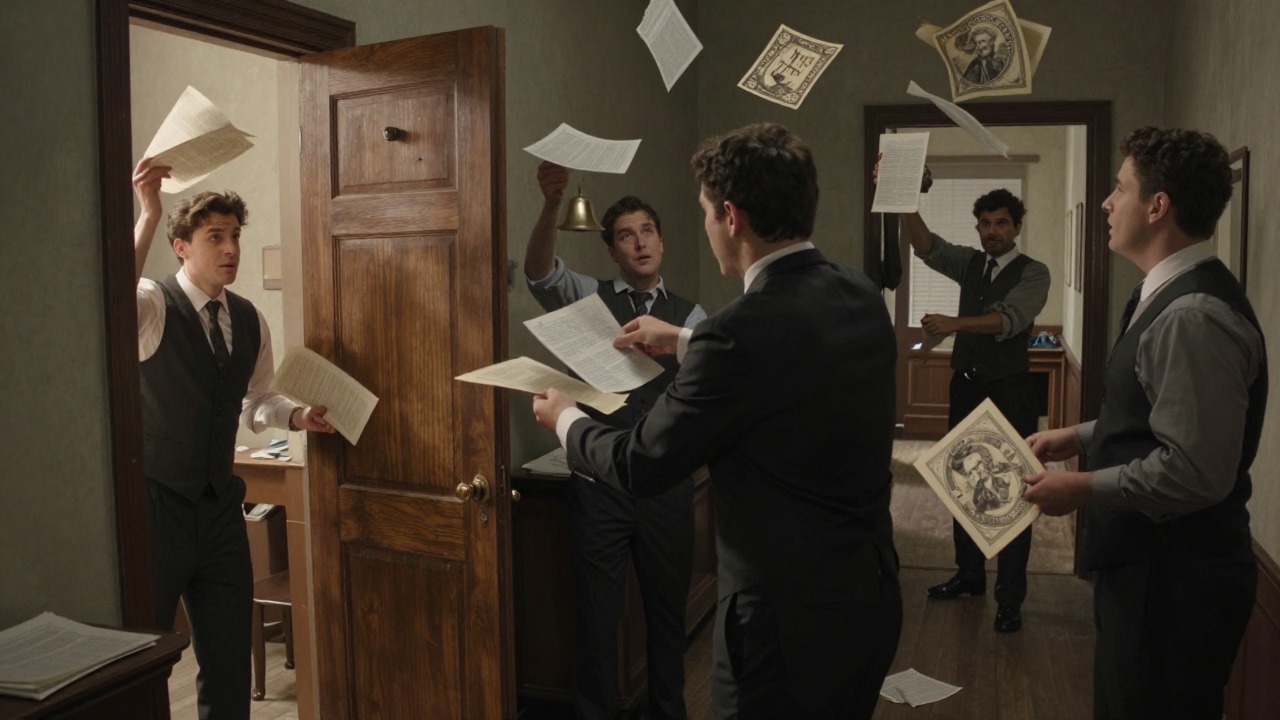
Morning File Distribution
K. watches the servants distributing files to the officials' rooms. The work is chaotic, with doors opening and closing, voices and bells.
What happens
Files are pulled back, exchanged, and sometimes thrown into the corridor. One servant tears up a single sheet and puts it in his pocket.
Why it matters
The distribution is bureaucracy in action. It is pure process, indifferent to the people who wait in it.
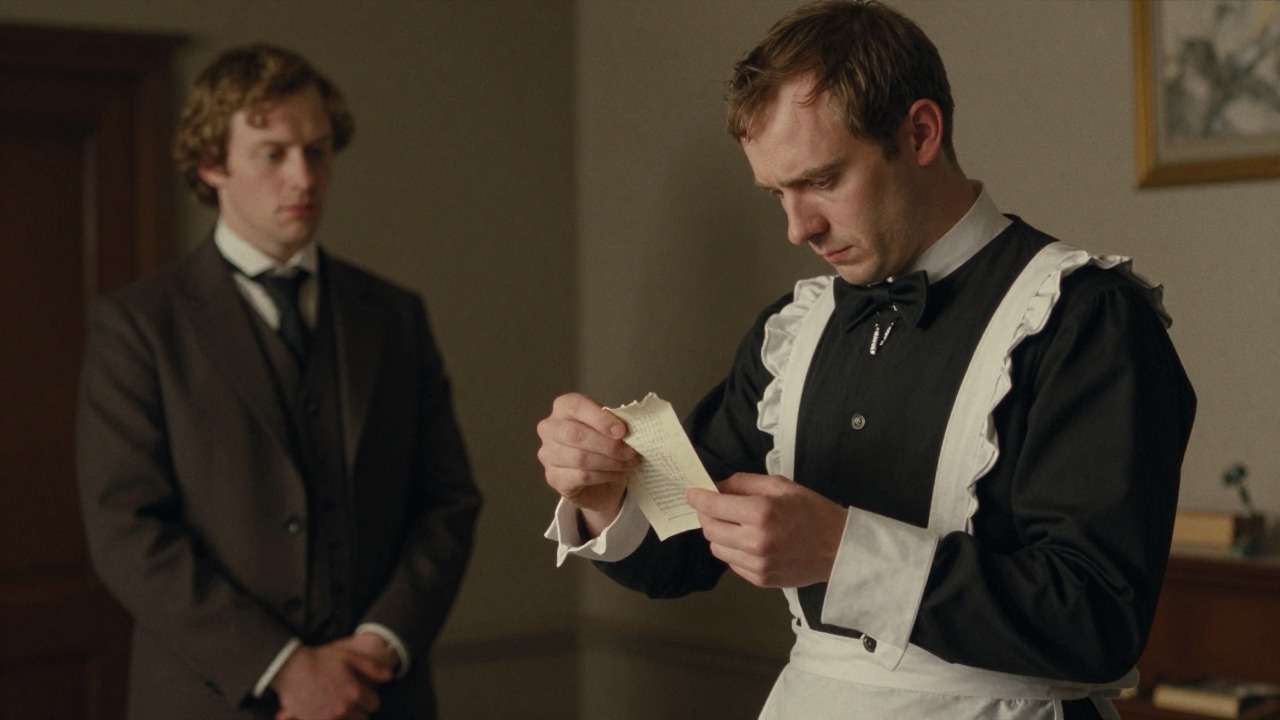
The Servant's Discreet Tearing
The Servant's Discreet Tearing
After finishing his work, a servant tears a leftover slip of paper into pieces. K. suspects it might be his own file.
What happens
The servant pockets the pieces and leaves with his companion. The act is small but significant.
Why it matters
The torn paper suggests that K.'s case can be erased without trace. Bureaucracy ends lives in a gesture of apparent exhaustion.
during the village mayor's account
during the same visit
during Olga's explanation of Barnabas
the early morning in the corridor
at the end of the file distribution
